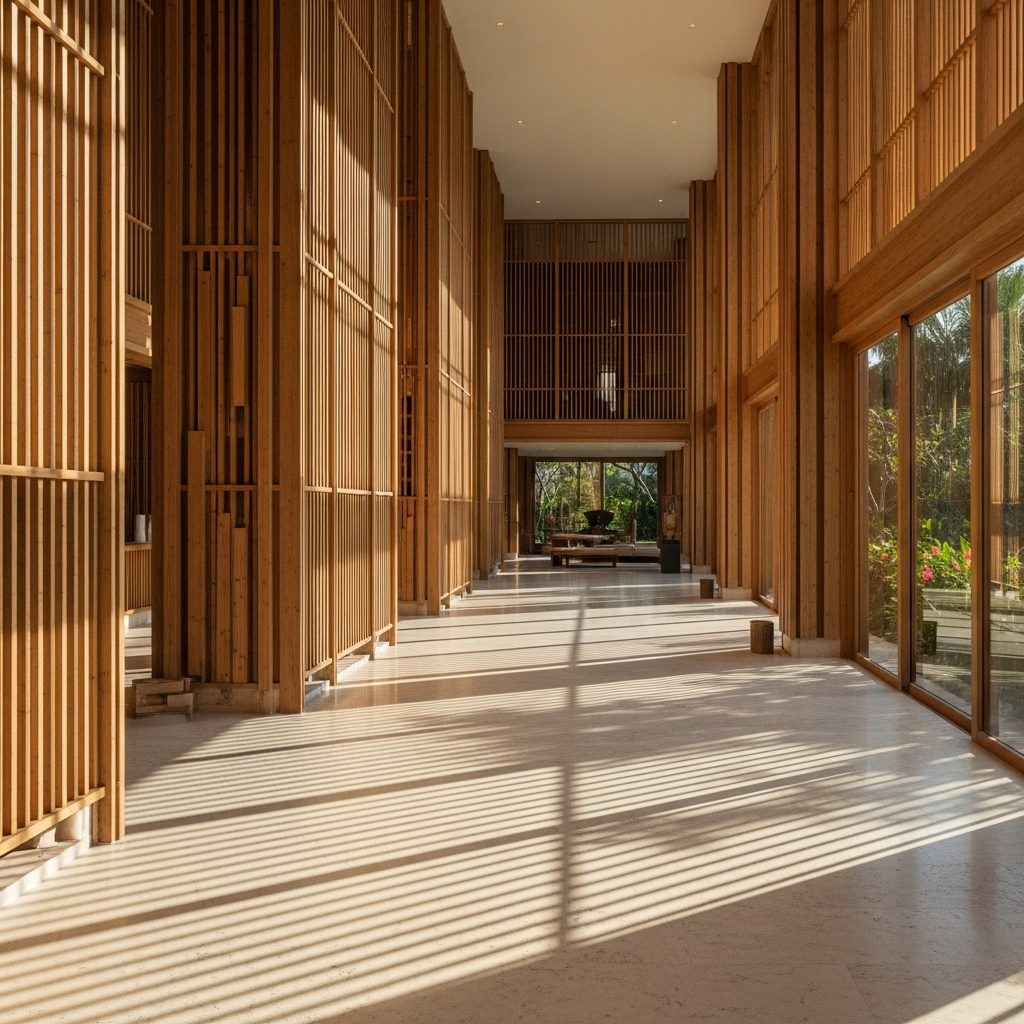
Elevating Hospitality Design with Innovative Bamboo Architectural Systems
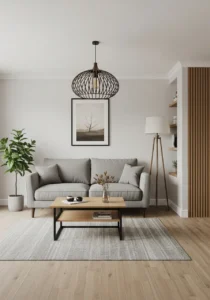
In the realm of luxury hospitality design, creating unforgettable guest experiences that harmonize aesthetics, functionality, and sustainability is paramount. Discerning travelers increasingly seek destinations that reflect a deep respect for the natural world, while developers and architects strive for distinctive designs that stand out in a competitive market. This confluence of demands has driven significant innovation in material selection, pushing beyond traditional choices towards solutions that offer both striking beauty and environmental responsibility. Among the most compelling solutions emerging today are bamboo architectural systems, which seamlessly blend the inherent elegance of natural materials with sophisticated engineering to create spaces that are both luxurious and ecologically conscious, perfectly aligning with the popular Japandi aesthetic.
Bamboocrafted specializes in providing premium bamboo architectural systems tailored specifically for the demands of high-end hotels, resorts, restaurants, and other commercial projects. Our commitment to quality, craftsmanship, and sustainability ensures that every project we collaborate on benefits from the unique properties and stunning visual appeal of this remarkable material. In this article, we will explore the transformative potential of bamboo architectural systems in contemporary hospitality design, examining their definition, benefits, diverse applications, material options, selection considerations, and why Bamboocrafted is the ideal partner for visionary architects and designers.
What Are Bamboo Architectural Systems?
Bamboo architectural systems are not merely decorative elements; they are comprehensively engineered solutions designed to integrate seamlessly into a building’s structure and interior design. These systems utilize bamboo, a rapidly renewable and incredibly strong grass, as the core material, employing advanced manufacturing techniques to enhance its natural properties and extend its applicability. Unlike simple bamboo poles or mats, architectural systems are precision-crafted panels, beams, louvers, cladding, and custom components that meet stringent performance and aesthetic standards required for commercial construction.
At the heart of these systems is engineered bamboo, a process involving harvesting mature bamboo culms, processing them into strips or strands, and then bonding them together under high pressure and heat using specialized adhesives. This results in products that are incredibly stable, durable, and resistant to warping, checking, and splitting, overcoming the limitations of raw bamboo. These engineered components can then be further refined into various systems, including wall and ceiling panels (acoustic and decorative), facade cladding, sun shading louvers, flooring, and even structural elements.
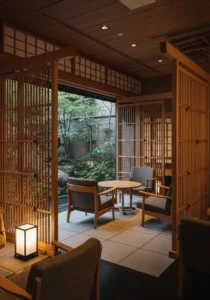
From a design perspective, bamboo architectural systems embrace principles closely aligned with Japandi and modern architectural philosophies: simplicity, natural texture, and a sense of calm sophistication. The natural grain patterns, varying from subtle linear stripes in engineered products to richer, natural nodes in some applications, offer a warmth and organic beauty that few other materials can replicate. This aesthetic versatility allows architects and designers to create spaces that feel both contemporary and deeply connected to nature.
Benefits of Bamboo Architectural Systems for Modern Architecture
Integrating bamboo architectural systems into modern architectural projects offers a multitude of benefits, extending beyond mere aesthetics to encompass sustainability, performance, and commercial value.
- Unmatched Sustainability: Perhaps the most significant advantage of bamboo architectural systems is their exceptional environmental credentials. Bamboo is one of the fastest-growing plants on Earth, with some species capable of growing up to several feet per day. It reaches maturity and can be harvested in just 3-5 years, compared to decades for most hardwoods. This rapid renewability makes it incredibly sustainable. Furthermore, bamboo sequesters significantly more carbon dioxide than equivalent stands of trees and generates more oxygen. Utilizing bamboo helps reduce reliance on slower-growing, often over-harvested timber resources and contributes positively to green building certifications like LEED or BREEAM, aligning with the growing demand for sustainable materials.
- Exceptional Durability and Strength: When properly processed and engineered, bamboo architectural systems exhibit remarkable strength and durability. Some species boast a tensile strength comparable to steel and compressive strength higher than concrete. This inherent robustness, combined with precise manufacturing processes, results in products that are resistant to impact, wear, and environmental stressors. Advanced treatments can further enhance resistance to moisture, insects, and fire, making bamboo suitable for demanding commercial and even exterior applications. This longevity translates to reduced maintenance costs and longer lifecycles for architectural elements.
- Versatile Aesthetics and Design Flexibility: Bamboo architectural systems offer surprising aesthetic diversity. The natural grain and color variations (from light natural tones to richer caramelized hues achieved through heat treatment) provide a warmth and organic texture that enhances any space. Furthermore, bamboo can be stained, painted, or finished to complement various design styles, from the minimalist lines of Japandi to the richly textured approaches in tropical modernism. The ability to create custom profiles, patterns, and dimensions provides architects with immense creative freedom to develop unique and impactful designs.
- Enhanced Wellness and Connection to Nature (Biophilic Design): Incorporating natural materials like bamboo into built environments is a core tenet of biophilic design, which aims to improve human well-being by fostering a connection with nature. Studies show that spaces with natural textures and materials can reduce stress, enhance cognitive function, and improve overall mood and comfort – critical factors in creating positive guest experiences in hospitality settings. The warmth and tactile appeal of bamboo contribute to a more inviting and restorative atmosphere.
- Functional Performance: Beyond their visual appeal, bamboo architectural systems can offer functional benefits. Specific panel designs can provide excellent acoustic properties, crucial for creating comfortable environments in busy hotels and restaurants. Integrated lighting solutions, clever installation methods, and the inherent thermal properties of bamboo can further enhance the overall functionality and performance of the architectural system.
- Commercial Advantage and Brand Differentiation: In today’s conscious market, showcasing commitment to sustainability can be a significant brand differentiator for hospitality developers. Incorporating innovative bamboo architectural materials can significantly enhance a property’s green credentials and appeal to eco-conscious travelers. Moreover, the unique aesthetic and premium feel of bamboo can elevate the overall perception of luxury and design quality, potentially commanding higher rates and attracting more guests.
Applications in Hotels, Resorts, and Commercial Spaces
The versatility of bamboo architectural systems makes them suitable for a wide range of applications within hospitality and commercial projects. Here are some key examples:
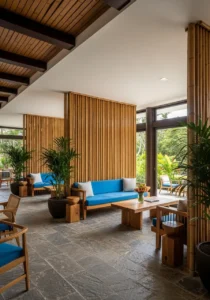
- Lobbies and Reception Areas: Create striking first impressions with dramatic bamboo feature walls, intricate ceiling installations, or custom-designed reception desks. The warmth and natural elegance of bamboo instantly convey a sense of welcome and luxury. For acoustic control in large, open lobbies, consider bamboo acoustic panels that blend function with sophisticated design.
- Guest Rooms and Suites: Incorporate bamboo for accent walls, headboards, custom furniture, closet doors, or even flooring to create serene and inviting private sanctuaries. The natural variation in bamboo adds character and a sense of crafted quality to guest spaces, contributing to a more comfortable and restorative stay.
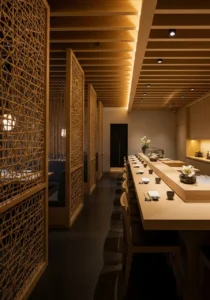
- Restaurants, Bars, and Dining Areas: Use bamboo for acoustic ceilings, decorative wall panels, bar fronts, tables, and privacy screens. The material’s durability makes it suitable for these high-traffic areas, while its natural beauty enhances the dining experience and creates distinctive atmospheres, from lively and energetic to intimate and sophisticated.
- Pool Areas, Spas, and Outdoor Spaces: For exterior applications like facade cladding, sun shading louvers, decking, and poolside structures, choose durable species and appropriate finishes. Exterior-grade bamboo architectural systems can withstand moisture, sun exposure, and temperature fluctuations, creating cohesive indoor-outdoor connections and enhancing the natural ambiance of resort environments.
- Meeting and Conference Rooms: Utilize bamboo for functional wall and ceiling panels that offer excellent acoustic properties while maintaining a professional yet warm and inspiring aesthetic. Custom bamboo millwork can add a touch of sophistication to these productive spaces.
- Commercial Common Areas and Retail Spaces: Apply bamboo systems for feature walls, ceiling treatments, and custom displays in shopping centers, offices, and other commercial properties to create unique and memorable environments that enhance brand identity and visitor experience.
Material Options and Design Possibilities
While bamboo is the primary material, bamboo architectural systems encompass a range of options and design possibilities:
- Engineered Bamboo: This is the most common form for architectural applications, offering superior stability and performance. It comes in various styles:
- Laminated Strip (Vertical/Horizontal): Created by gluing strips together either vertically (showing the narrow edge grain) or horizontally (showing the wider face grain). Each style offers a distinct visual texture.
- Strand Woven: Made by compressing bamboo strands and fibers with adhesive, resulting in an exceptionally hard and durable material with a more varied, wood-like appearance.
- Color Variations:
- Natural: The light, blond tone characteristic of the raw material.
- Caramelized (or Carbonized): A richer, darker brown hue achieved through heat treatment that caramelizes the natural sugars in the bamboo. This process also slightly increases stability.
- Custom Stains/Finishes: Can be applied to achieve specific colors and finishes, allowing for seamless integration with broader design palettes.
- Profile and Texture: Bamboo components can be milled into a wide variety of profiles, from simple flat panels and linear slats to intricate geometric shapes and textures, offering endless opportunities for creating unique architectural expressions.
- Integration with Other Materials: Combine bamboo systems with glass, metal, stone, or fabric for sophisticated material contrast and enhanced functionality.
- Custom Solutions: Bamboocrafted excels at developing customized design solutions, working closely with architects to translate unique visions into precisely manufactured bamboo realities. From bespoke panel patterns to complex structural elements, the possibilities are virtually limitless.
How Architects Choose the Right System
Selecting the appropriate bamboo architectural system involves careful consideration of several key factors:
- Project Requirements and Application: Clearly define the intended use – interior vs. exterior, wall vs. ceiling, decorative vs. acoustic. Performance needs (durability, moisture resistance, acoustic properties) will differ significantly.
- Material Properties and Species: Choose the right type of engineered bamboo (laminated vs. strand woven) and potentially the species based on the required strength, hardness, and visual appearance.
- Durability and Maintenance: Consider the environmental conditions the system will be exposed to (traffic, moisture, sunlight) and select materials and finishes with appropriate resistance. Discuss maintenance requirements with the manufacturer to ensure longevity and ease of care.
- Aesthetic Vision: Align the choice of grain, color, profile, and finish with the overall design concept (e.g., minimalist Japandi, tropical luxury). Consider how the natural variation of bamboo will enhance the desired aesthetic.
- Sustainability Certifications: If green building credentials are a priority, verify the source of the bamboo, the manufacturing processes, and the availability of relevant certifications (like FSC for bamboo source or emissions data for indoor air quality).
- Fire Performance: Ensure the selected bamboo architectural systems meet the required fire safety ratings for the specific application and jurisdiction. Fire-retardant treatments are often available.
- Installation and System Integration: Discuss installation methods, requirements for substrate preparation, and potential integration with other systems (lighting, HVAC, acoustics). Precision manufacturing is crucial for smooth and efficient installation.
- Budget and Cost: While offering long-term value, bamboo systems can vary in initial cost. Compare options based on material quality, customization, and system completeness. Factor in durability and reduced maintenance when evaluating total cost of ownership.
- Collaboration with the Manufacturer: Engage with a reputable manufacturer like Bamboocrafted early in the design process to leverage their expertise, explore customization possibilities, and ensure the selected system meets all technical and aesthetic requirements.
Why Choose Bamboocrafted
Bamboocrafted stands out as a premier provider of bamboo architectural systems, uniquely positioned to serve the high-end hospitality and commercial design sectors:
- Deep Expertise in Natural Materials: We have a profound understanding of bamboo and other natural materials, ensuring that we utilize only the highest quality resources and employ best practices for processing and manufacturing.
- Premium Quality and Craftsmanship: Our commitment to excellence is reflected in every component we produce, focusing on precision engineering, meticulous finishing, and overall durability. We maintain strict quality control standards throughout the production process.
- Tailored Solutions and Customization: We understand that every luxury project is unique. Our core strength lies in custom manufacturing, allowing us to collaborate closely with architects and designers to develop custom architectural manufacturing solutions that precisely match their vision and project requirements.
- Dedicated Collaboration and Support: We view our clients as partners. Our team provides dedicated support throughout the entire project lifecycle, from initial concept discussions and material selection to detailed engineering, manufacturing, and installation guidance.
- Hospitality Design Focus: We have extensive experience working on luxury hotels, resorts, and high-end commercial projects, understanding the unique aesthetic requirements, performance demands, and timeline considerations of this industry.
- Sustainability at Our Core: We are deeply committed to sustainable practices, ensuring responsible sourcing of bamboo and employing environmentally conscious manufacturing processes where possible.
Frequently Asked Questions
Here are answers to some commonly asked questions about bamboo architectural systems:
- Q: Are bamboo architectural systems durable enough for commercial use?
A: Yes, absolutely. Engineered bamboo, specifically, is exceptionally strong and durable, often surpassing hardwoods in hardness. With appropriate processing and finishes, it is highly resistant to wear, impact, and moisture, making it ideal for demanding commercial applications like hotel lobbies, restaurants, and high-traffic areas. - Q: Can bamboo architectural systems be used externally?
A: Yes, select exterior-grade bamboo products and systems are specifically designed to withstand the elements. These typically involve specialized species, advanced manufacturing processes to maximize stability and durability, and protective finishes. Proper installation and maintenance are also crucial for exterior longevity. Consult Bamboocrafted for recommended exterior solutions. - Q: How do I maintain bamboo architectural systems?
A: Maintenance generally involves regular cleaning with a damp cloth and mild detergent. Depending on the application (especially for high-traffic or exterior areas) and the specific finish, periodic refinishing or the application of protective coatings might be recommended. Bamboocrafted provides specific care guidelines tailored to each system. - Q: Are bamboo systems fire-resistant?
A: Bamboo itself is naturally flammable, like wood. However, many bamboo architectural systems can be treated with fire-retardant coatings during or after manufacturing to meet stringent fire safety standards required for commercial and public buildings. The achievable fire rating depends on the specific treatment and application. - Q: How does the cost of bamboo architectural systems compare to other materials?
A: The cost can vary widely depending on the complexity of the system, level of customization, type of engineered bamboo, and finish. While potentially higher in initial investment than some basic alternatives, bamboo architectural systems offer significant long-term value due to their durability, low maintenance, exceptional sustainability (which can contribute to green building credits), and premium aesthetic appeal that enhances brand differentiation. A detailed quotation for your specific project will provide accurate pricing.
Conclusion
Bamboo architectural systems represent a powerful union of sustainability, strength, and sophisticated design, offering hospitality and commercial projects a unique opportunity to elevate their environments. By harnessing the innate beauty of this rapidly renewable resource and applying advanced engineering techniques, Bamboocrafted creates solutions that are not only environmentally responsible but also exceptionally durable, versatile, and visually stunning, perfectly aligned with the luxury and Japandi design aesthetic. From statement-making lobbies to serene guest sanctuaries and distinct exterior facades, the possibilities for integrating bamboo are vast. By choosing Bamboocrafted, you partner with a dedicated expert committed to bringing your visionary designs to life with the highest quality sustainable bamboo architectural materials and unparalleled craftsmanship.
Ready to elevate your next project with innovative bamboo architectural systems? We invite you to explore our comprehensive range of materials and solutions and discuss your unique vision with our team. For personalized expert advice or to begin designing your custom bamboo solution, please contact our team or request a quotation. Let Bamboocrafted help you create spaces that are both exceptionally beautiful and meaningfully sustainable.