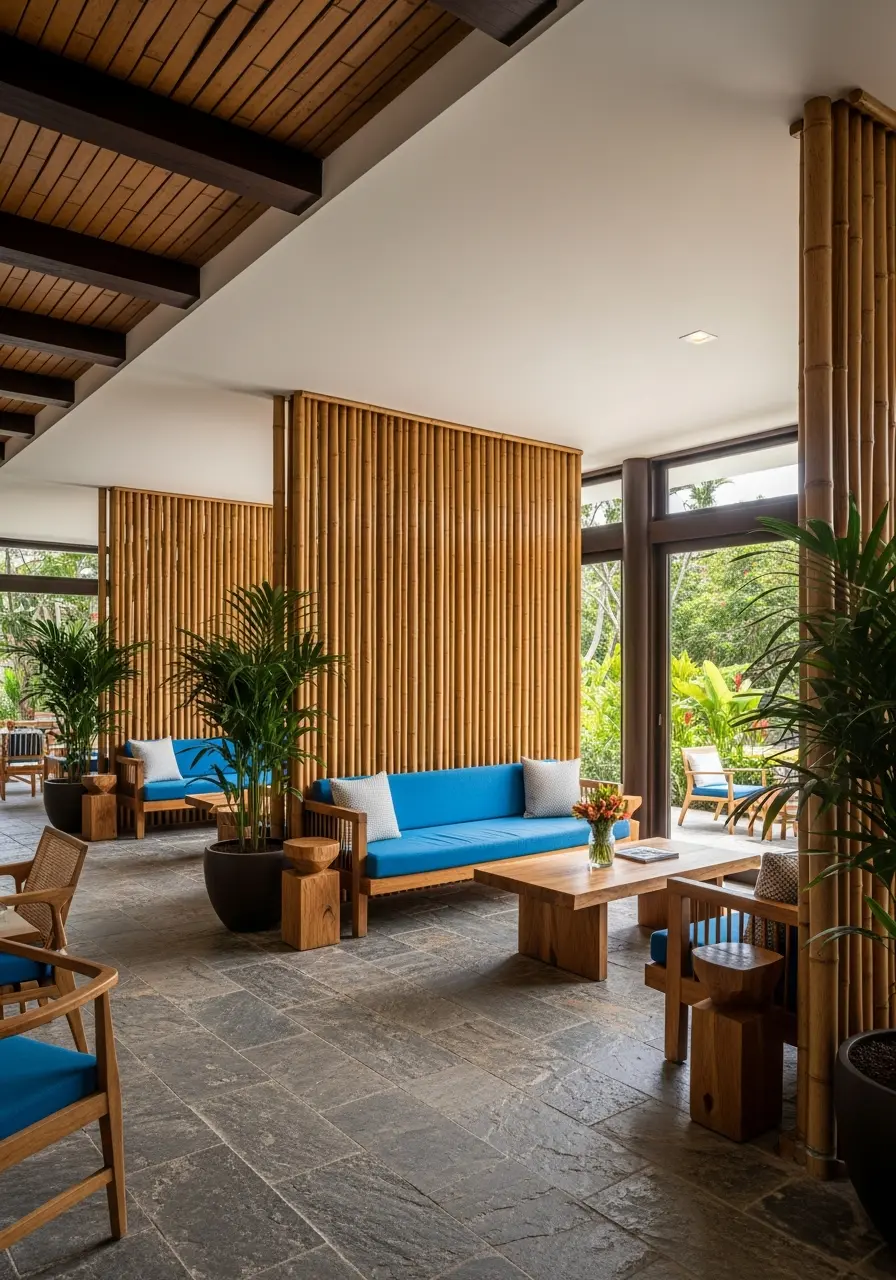
Hotel Lobby Divider Ideas Using Natural Materials
The hotel lobby serves as the critical first point of contact, establishing the guest experience and articulating the brand’s design ethos. In contemporary hospitality architecture, the challenge lies in balancing grand, welcoming spaces with the necessity for intimate, functional zones. A well-executed hotel lobby partition is no longer merely a barrier; it is a sophisticated architectural element that defines spatial flow, enhances acoustic comfort, and introduces essential textural interest.
As the industry shifts decisively towards biophilic design and sustainable practices, architects and interior designers are increasingly moving away from synthetic, permanent structures. Instead, they are embracing natural materials like bamboo, wood, and rattan to create dynamic, porous boundaries. These materials offer inherent warmth and sustainability that resonate deeply with modern travellers seeking authentic, wellness-oriented environments. This article explores innovative strategies for implementing natural material dividers to optimize lobby functionality and elevate the aesthetic experience.
The Evolution of the Hotel Lobby: From Open Plan to Zoned Experience
For decades, the architectural trend in luxury hotels favoured vast, uninterrupted open-plan lobbies intended to impress with scale. However, operators and designers have recognized that these cavernous spaces often feel impersonal, offer poor acoustics, and fail to provide the versatility required by multi-functional modern lobbies. Today’s lobby must simultaneously accommodate check-ins, casual social interaction, remote work, and pre-dinner cocktails.
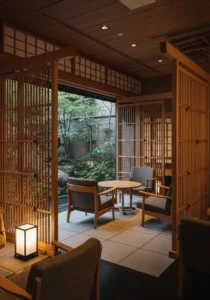
The strategy has therefore shifted from opening up space to intelligently zoning it. Utilizing a natural material hotel lobby partition allows designers to create “rooms within rooms”—distinct, smaller areas that offer a sense of enclosure and privacy without sacrificing the visual connection to the overall space. This approach, often central to Japandi architecture, fosters a sense of discovery and tranquility.
Material Focus: Why Bamboo and Wood Excel in Hospitality
When selecting materials for lobby dividers, both performance and aesthetic characteristics must be evaluated against the rigorous demands of hospitality environments.
Sustainability and Biophilia
In terms of sustainability, bamboo is an unparalleled resource. It is a rapidly renewable grass that matures significantly faster than traditional hardwoods, harvesting without destroying the root system. Utilizing bamboo architectural systems contributes significantly to LEED certification and reinforces a property’s commitment to eco-conscious luxury. Both bamboo and wood satisfy the principles of biophilic design, which posits that incorporating natural elements into the built environment significantly improves guest well-being and reduces stress.
Aesthetic Versatility
Natural materials provide a sophisticated palette that complements diverse design styles, from rustic luxury resorts to minimalist urban hotels. Bamboo can be specified in various formats—from raw, linear poles creating a strong vertical rhythm, to finely woven panels that diffuse light softly. Wood offers endless customization through species selection, grain patterns, and finishes, allowing for seamless integration into any design concept.
Durability for High-Traffic Zones
Lobbies are high-traffic areas requiring materials that resist wear. Modern, engineered bamboo products, such as those utilized in Bamboocrafted’s material systems, offer exceptional stability and hardness, often surpassing that of traditional hardwoods. Advanced finishes ensure these partitions maintain their aesthetic integrity under constant commercial use.
Innovative Design Concepts for Natural Material Dividers
Linear Bamboo Pole Systems
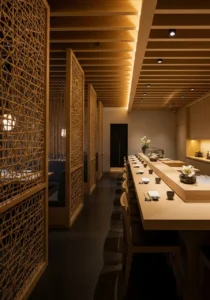
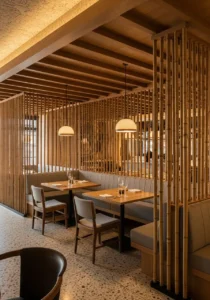
One of the most effective applications involves using natural or engineered bamboo poles arranged vertically in continuous rows. This creates a visually permeable screen that defines a zone while maintaining light flow and sightlines. The vertical rhythm can enhance ceiling height and introduce a dynamic play of light and shadow, particularly effective in separating circulation paths from lounge seating.
Woven Rattan and Bamboo Panels
Woven techniques introduce rich texture and a softer, often artisanal quality. Encased within sleek metal or wood frames, woven panels act as sophisticated light diffusers. These are ideal for creating intimate booths in lobby bars or quiet nooks for focused work, adding layers without imposing solid visual blocks.
Modular and Operable Partitions
Flexibility is paramount in modern hospitality. Modular partition solutions allow hotel operators to reconfigure the lobby layout for different times of day or special events. Movable or operable screens made from lightweight natural materials provide the agility to expand or contract zones as required, optimizing the use of square footage.
Integrated Green Walls
Combining structural natural materials with living plants maximizes the biophilic effect. A hotel lobby partition designed as a framework for climbing plants or integrated planters creates a dynamic, living boundary that purifies the air and adds vibrant colour, perfect for separating the entrance area from the main guest zones.
Acoustic Benefits of Natural Materials
Excessive reverberation is a common issue in expansive lobbies with hard flooring and glazing. An open-plan design that feels energetic can easily become noisy and chaotic. Solid walls may block sound but also block light and connectivity. Porous natural material dividers offer an ideal compromise.
The varied textures and irregular surfaces of woven bamboo, carved wood panels, or grouped poles are excellent at scattering and absorbing sound waves, rather than reflecting them. Implementing these dividers strategically between noisy areas (like the reception desk or bar) and quieter zones (like a business lounge or reading area) significantly improves the acoustic environment, enhancing overall guest comfort and the perceived luxury of the space.
Professional Considerations: Specification and Customization
For architects and designers, the success of these systems hinges on detailed specification and execution. Standardized products may not fit the unique dimensions or aesthetic requirements of a bespoke luxury project.
Customization and OEM
A high level of customization is usually necessary to align the partition design perfectly with the architectural context. Bamboocrafted specializes in custom architectural systems, working closely with design teams to engineer unique solutions, from specific dimensions and frame finishes to intricate weaving patterns and custom-stained poles. This bespoke approach ensures the final installation is a true reflection of the design intent.
Installation and Engineering
While natural materials provide the aesthetic, robust engineering ensures longevity. Large-scale partitions require careful consideration of connection points, floor and ceiling attachments, and structural stability, particularly for free-standing or operable systems.
Fire Safety and Compliance
In hospitality, compliance with fire safety regulations is non-negotiable. It is critical to ensure that any bamboo or wood specified for interior use, especially in public exit ways or large assembly spaces, can be treated to meet required fire ratings (e.g., Class A fire retardant). Specifiers must request documentation verifying that these treatments do not compromise the material’s appearance or environmental credentials.
Conclusion: Elevating Hospitality with Sustainable Sophistication
The intelligent use of a hotel lobby partition is essential for crafting a modern hospitality experience that feels both grand and intimate, energetic and tranquil. Moving beyond mere functionality, natural materials like bamboo, wood, and rattan offer a sustainable, biophilic solution that adds profound aesthetic value and tactile warmth. These versatile systems enable architects and designers to create sophisticated, flexible, and wellness-oriented public spaces that resonate with today’s discerning guests.
At Bamboocrafted, we are dedicated to supporting architectural innovation with premium, sustainable bamboo and natural material systems. Our expertise in custom manufacturing allows us to collaborate with design teams to realize bespoke partitioning solutions tailored to the rigorous demands of luxury hospitality projects.
For more information on specifying natural material systems for your next hospitality development, we invite you to contact our technical consultation team.
Frequently Asked Questions
How durable are bamboo partitions in high-traffic hotel lobbies?
When engineered and finished correctly, bamboo architectural systems are exceptionally durable, often rivaling or exceeding the hardness and stability of hardwoods. Specifying high-quality, commercially finished bamboo ensures the partition will withstand the demands of a busy hotel environment while retaining its aesthetic appeal.
Are natural material dividers effective for acoustic separation in hotels?
Yes. The inherent textures and porosity of materials like woven bamboo and wood poles are excellent for sound absorption and diffusion. They break up sound waves rather than reflecting them, significantly reducing reverberation and improving acoustic comfort within distinct lobby zones.
Can bamboo and wood dividers meet hospitality fire safety codes?
Absolutely. Natural materials used in public spaces can, and must, be specified with factory-applied, certified fire-retardant treatments to meet relevant commercial building codes. We ensure all our custom hospitality systems provide the necessary compliance documentation.
How customizable are these natural material partition systems?
Bamboocrafted offers high levels of customization. We work directly from architectural drawings to customize dimensions, framing, material type (raw poles, engineered slats, woven patterns), finishes, and installation methods to ensure perfect integration into the unique design of each project.
Do natural dividers require significant maintenance?
Interior partitions require minimal maintenance, typically restricted to regular dusting. High-quality commercial finishes protect the material from fading and minor wear. They are a practical, long-term solution that provides enduring value.